1 min read
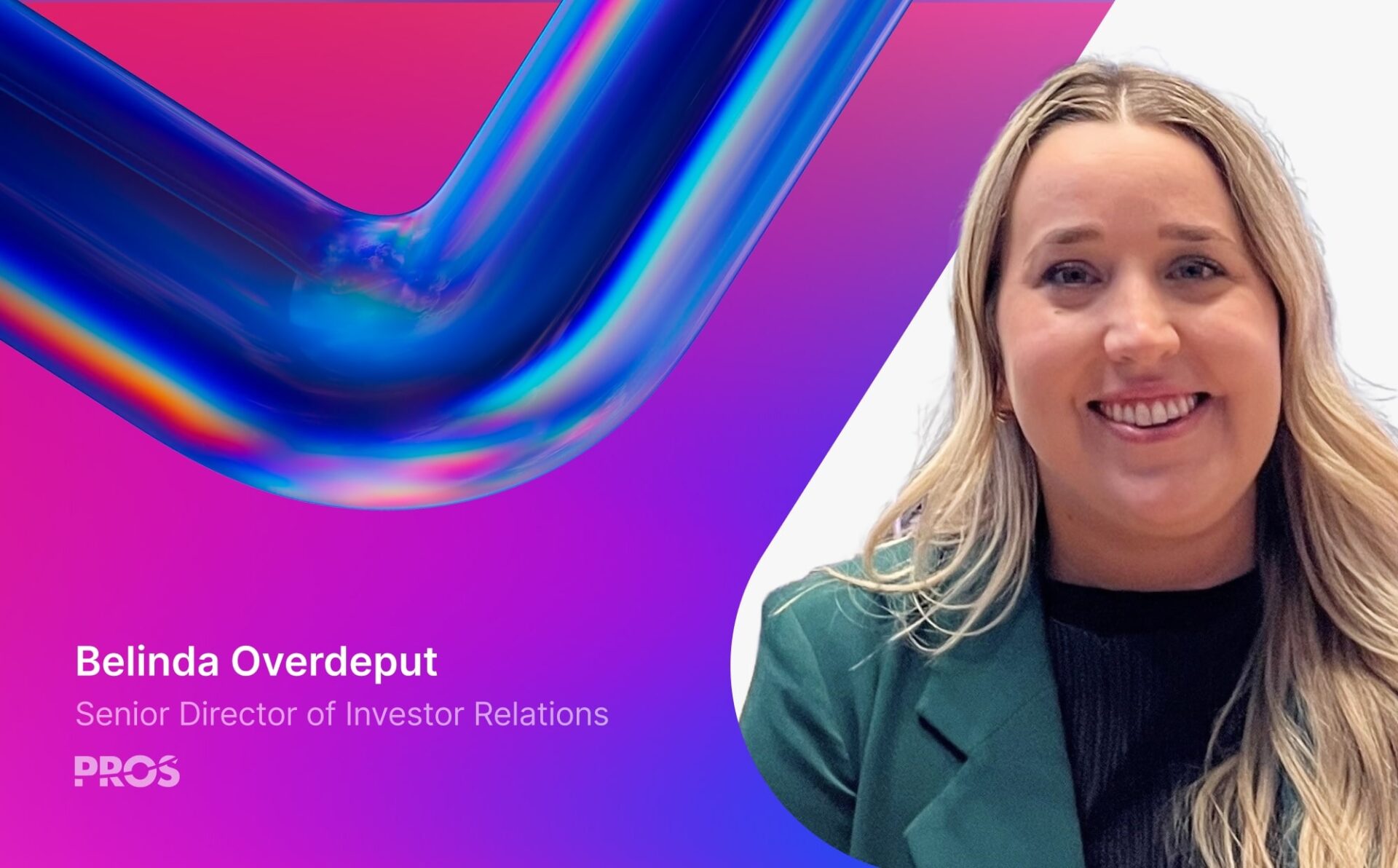
Profiles in IR: Belinda Overdeput of PROS
Building trust through storytelling is a critical part of investor relations (IR). As market and business conditions constantly shift, IR pros face...
5 min read
 Muksheeda Boodhooa
:
Updated on September 22, 2026
Muksheeda Boodhooa
:
Updated on September 22, 2026

What does it take to become a Head of Investor Relations today, and what are companies really looking for when they hire one?
We asked Muksheeda Boodhooa, Associate Director at Carter Murray, who specializes in recruiting senior Investor Relations talent across the UK and international markets. With a firsthand view of what companies are looking for and what sets successful candidates apart, Muksheeda shares what’s changing, which skills are rising in importance and what it takes to step into a senior IR leadership role.
Investor Relations has evolved dramatically over the last decade. Once regarded primarily as a reporting and communications function, IR is now recognised as a strategic discipline that sits at the heart of corporate decision-making. As the role continues to expand, so too has the profile of the leaders companies want to hire.
For ambitious IR professionals, the traditional route to becoming a Head of Investor Relations is no longer the only pathway. Organisations are increasingly looking beyond tenure alone and focusing on broader commercial experience, strategic influence and the ability to shape investor perception.
The question is no longer, “Have you spent enough years in IR?” Instead, it is, “Can you help the business navigate increasingly complex capital markets and build investor confidence?”
Historically, many Heads of IR came from investment banking, equity research, accounting or corporate finance backgrounds before transitioning into investor relations. These routes continue to be highly valued because they provide strong financial credibility and capital markets expertise.
However, modern IR requires a broader skill set than ever before. Today's IR leaders must connect financial performance with strategy, governance, sustainability and long-term value creation. As a result, organisations are widening their search and considering candidates from functions such as:
What matters most is not where candidates come from, but whether they can effectively engage investors, influence leadership teams and articulate a compelling corporate narrative.
One of the most significant changes in the profession is the growing expectation that IR leaders contribute to corporate strategy rather than simply communicate it.
Investors increasingly expect transparency around growth plans, capital allocation, risk management and governance. This has elevated the importance of IR as a source of market intelligence and stakeholder insight.
Today's Heads of IR are expected to:
The strongest professionals understand that investor relations is no longer a reactive function. It is a strategic role that helps businesses anticipate market expectations and position themselves effectively.
While career pathways are broadening, financial credibility remains non-negotiable.
Investors expect sophisticated discussions around performance, valuation, capital structure and long-term strategy. Boards and executive teams therefore continue to value candidates with strong analytical and financial skills.
Experience in areas such as financial modelling, M&A, corporate finance, equity research or treasury can provide a significant advantage when progressing towards senior IR leadership.
However, technical expertise alone is no longer enough. The differentiator is the ability to translate complex financial information into a clear and compelling investment story that resonates with investors and analysts alike.
One of the most overlooked aspects of career progression within Investor Relations is personal branding.
As hiring markets become more competitive, visibility matters. Senior appointments are increasingly influenced not only by a candidate's experience but also by their reputation within the market. The most successful Heads of IR often develop a recognised professional standing long before they step into a leadership role.
Personal branding is not about self-promotion. It is about building credibility, demonstrating expertise and becoming known for a particular perspective or area of strength.
A well-established personal brand can open doors to opportunities that never reach the open market. It also signals leadership potential, commercial confidence and industry credibility—qualities organisations increasingly seek when hiring senior IR talent.
For aspiring Heads of IR, developing a personal brand should be viewed as a strategic career investment rather than an optional activity.
As the scope of IR expands, leadership capability is becoming a key differentiator in hiring decisions.
Heads of IR regularly interact with CEOs, CFOs, board members, institutional investors and market analysts. Success therefore depends as much on influencing skills as technical knowledge.
Organisations are increasingly looking for professionals who demonstrate:
The most successful IR leaders are trusted advisers who can provide balanced perspectives and challenge thinking when required.
Investor conversations have become significantly broader over recent years. Governance, sustainability and long-term value creation are now central topics in shareholder engagement.
As highlighted in Carter Murray's recent market insights, investor relations professionals are increasingly expected to translate governance developments and sustainability initiatives into language that demonstrates financial relevance and strategic value. The profession is becoming more analytical, data-driven and closely aligned with broader business objectives.
This shift means that professionals who can connect ESG priorities with commercial outcomes are becoming particularly attractive candidates for senior IR positions.
Understanding how sustainability impacts investor decision-making is rapidly becoming a leadership capability rather than a specialist skill.
For those aspiring to become a Head of Investor Relations, career development should focus on building both technical expertise and broader strategic capability.
Expand Your Capital Markets Knowledge
Develop a deeper understanding of valuation, shareholder behaviour and market dynamics. Exposure to earnings processes, investor roadshows and capital markets transactions can help strengthen credibility.
Seek Cross-Functional Experience
Experience beyond traditional IR can be a significant advantage. Exposure to strategy, ESG, corporate development or finance projects helps build a broader commercial perspective.
Invest in Your Personal Brand
Be intentional about your market profile. Share insights, contribute to industry discussions and position yourself as a knowledgeable voice within the profession. The relationships and reputation you build today can become powerful assets when leadership opportunities arise.
Strengthen Leadership Skills
Take opportunities to lead initiatives, manage stakeholders and mentor colleagues. Leadership readiness is often a deciding factor when organisations assess candidates for senior IR roles.
Become a Source of Insight
Future IR leaders are valued not simply for delivering information but for providing meaningful insight. Building a reputation for understanding investor sentiment and market trends can significantly accelerate career progression.
Develop Boardroom Confidence
Senior IR professionals must be comfortable operating at executive and board level. The ability to distil complex issues into concise, actionable recommendations is increasingly important.
The profile of the modern Head of Investor Relations is changing. Financial expertise remains fundamental, but organisations are placing greater emphasis on strategic thinking, leadership capability, commercial influence and market visibility.
As IR continues its evolution from communications function to strategic business partner, career paths into leadership will become increasingly diverse. Those who combine technical excellence with strong stakeholder management, market insight, strategic judgement and a credible personal brand will be best positioned to secure the most senior opportunities.
For ambitious IR professionals, the route to the top may no longer be linear, but the opportunities have never been greater. By broadening experience, strengthening leadership skills, raising professional visibility and developing a strategic mindset, future Heads of IR can position themselves at the centre of the conversations that shape corporate success.
About Muksheeda Boodhooa: Muksheeda is Associate Director at Carter Murray, specializing in senior-level Investor Relations recruitment across the UK and international markets.Her perspective is shaped by a deep understanding of the IR profession, the evolving expectations of the role, and what companies look for in today’s IR leaders.
To learn more about Carter Murray's Investor Relations practice, visit Carter Murray.
Get the latest industry insights sent directly to your inbox. Subscribe now.
1 min read
Building trust through storytelling is a critical part of investor relations (IR). As market and business conditions constantly shift, IR pros face...

1 min read
Part 1: Strengthening your presence in investor relations

1 min read
Perhaps one of the most interesting things about starting an investor relations career is that it’s a bit of a functional orphan. When you look...